.png)
Effective Strategies for CDL Driver Training Techniques

Training bus drivers is no small task. Driving a bus requires a mix of practical skills, safety knowledge, and confidence-building. Over the years, I’ve seen firsthand how the right approach can transform a trainee into a skilled, responsible driver. If you’re looking to improve your training program, you’re in the right place. Let’s dive into some effective strategies that can make a real difference.
Why Focus on CDL Driver Training Techniques?
When it comes to training bus drivers, the techniques you use matter just as much as the content. A well-structured program that combines theory with hands-on practice helps trainees absorb information better and retain it longer.
Here’s what I’ve learned: engagement and repetition are key. Drivers need to experience real-world scenarios in a controlled environment before hitting the road. This means using simulators, interactive lessons, and on-the-road training in equal measure.
Some effective CDL driver training techniques include:
Scenario-based learning: Present trainees with common and uncommon driving situations to solve... often in familiar settings, like your training yard.
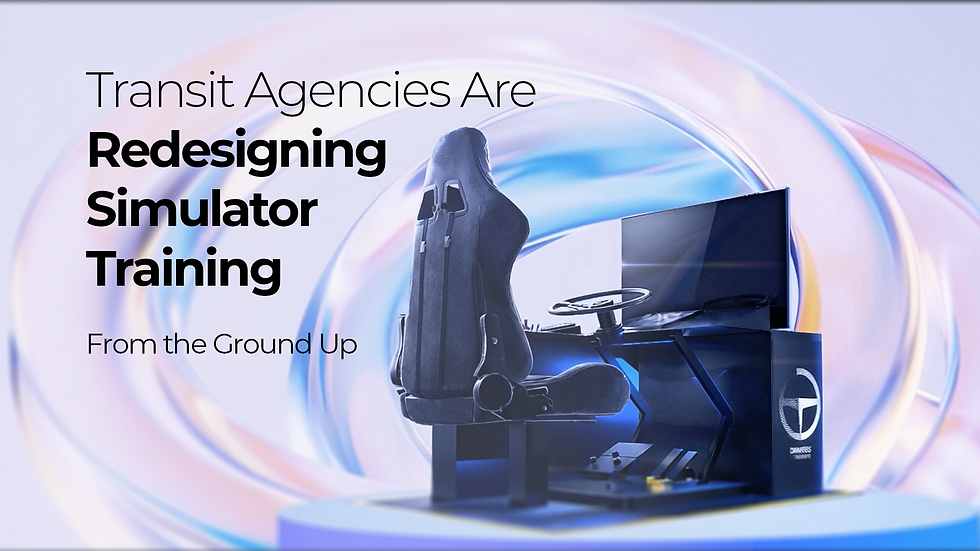
Use of technology: Simulators combined with traditional video tutorials help visualize complex maneuvers.
Regular feedback: Immediate, constructive feedback helps correct mistakes early.
Peer learning: Encouraging trainees to share experiences, using simulators and VR together, and giving each other tips builds confidence.
By blending these methods, you create a dynamic learning environment that prepares drivers for the challenges ahead, and allows them to enjoy learning.

How long does it take to become a bus driver?
One of the most common questions I get is, "How long does it take to become a bus driver?" The answer isn’t one-size-fits-all. It depends on the training program, the trainee’s prior experience, and the specific requirements of the transit authority or agency.
Typically, a comprehensive training program lasts 4 to 8 weeks. This includes classroom instruction, behind-the-wheel practice, and passing the CDL (Commercial Driver’s License) test. Some agencies offer accelerated courses, but these can be intense and may not suit everyone.
Here’s a rough breakdown:
Classroom training: 1-2 weeks covering rules, regulations, and safety.
Simulator training: Throughout yet key benefits are early to help practice maneuvers in a risk-free environment.
Behind-the-wheel training: 2-4 weeks on actual routes and conditions.
Testing and certification: Time varies depending on scheduling and retakes.
Remember, rushing the process can lead to poor retention, unsafe driving habits, and about $20k per failure. It’s better to invest time upfront to ensure drivers are fully prepared.
Practical Tips for Implementing CDL Bus Driver Training
Implementing a successful training program requires more than just a curriculum. It’s about creating an environment where trainees feel supported and motivated. Here are some practical tips I recommend:
Start with a clear training plan: Outline objectives, timelines, and evaluation methods.
Incorporate real-world practice early: Don’t wait too long to get trainees behind the wheel, and use simulators to expedite behind the wheel training particularly when it comes to practice difficult maneuvers, tricky intersections, and best practices.
Use varied teaching methods: Mix lectures with videos, hands-on practice, eye in the sky views of sim based maneuvers, and collaborative group discussions.
Encourage questions and interaction: This keeps trainees engaged and clarifies doubts.
Track progress closely: Use checklists and performance metrics to identify areas needing improvement.
Provide ongoing support: Even after certification, offer refresher courses and mentoring.
By following these steps, you’ll build a training program that not only teaches skills but also builds confidence and professionalism.

The Role of Safety in Training Programs
Safety is the cornerstone of any bus driver training program. It’s not just about following rules; it’s about cultivating a mindset that prioritizes the well-being of passengers, pedestrians, and the driver themselves.
Here’s how to emphasize safety effectively:
Teach defensive driving: Train drivers to anticipate hazards and react calmly.
Stress the importance of vehicle inspections: Regular checks prevent breakdowns and accidents.
Include emergency procedures: Drivers should know how to handle breakdowns, accidents, and medical emergencies.
Promote fatigue management: Educate on the dangers of drowsy driving and encourage proper rest.
Use real incident case studies: Learning from past accidents helps drivers understand consequences.
Safety training should be ongoing, not a one-time event. Reinforce these principles regularly to keep them top of mind.
Leveraging Technology to Enhance Training
Technology has revolutionized how we train bus drivers. From simulators to mobile apps, there are many tools that make learning more interactive and effective. But please consider it additive (not a replacement).
Some tech tools I find invaluable include:
Driving simulators: They allow trainees to practice complex maneuvers and emergency responses without risk.
E-learning platforms: These provide flexible access to training materials anytime, anywhere.
Video analysis: Recording driving sessions helps trainers give precise feedback.
Mobile apps: Useful for quizzes, progress tracking, and communication.
Integrating technology not only improves learning outcomes but also reduces training costs and time. It’s a win-win for agencies looking to attract and retain quality drivers.
In case you are wondering... yes, our DoT solutions leverage all of these.
Final Thoughts on Building a Strong Training Ecosystem
Creating a successful bus driver training program is about more than just teaching skills. It’s about building a comprehensive ecosystem that supports drivers from day one and beyond. This means combining effective CDL driver training techniques with ongoing support, safety emphasis, and technology integration.
If you want to boost your CDL pass rates, reduce operational costs, and attract new drivers, consider investing in a modern, accessible training system. It’s an investment that pays off in safer roads and more confident drivers.
For those interested in exploring proven solutions, check out this cdl bus driver training platform that’s designed to revolutionize transit bus operator training globally.
By focusing on these strategies, you’ll be well on your way to developing the drivers of tomorrow.
Thanks for reading! If you have any questions or want to share your own training tips, feel free to reach out.


Comments